75+ of Quirky Cinema’s most honorable, beloved, heroic or anti-heroic
ACTORS, CHARACTERS, DIRECTORS, WRITERS
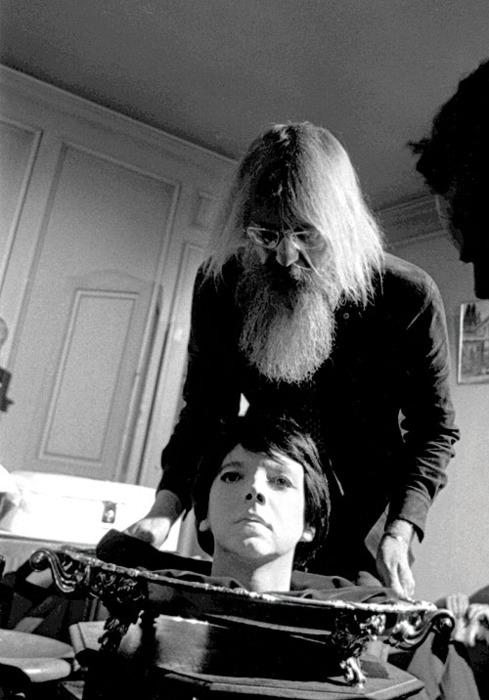
Hal Ashby (1929-1988), a significant figure in the counterculture of the 1960s and 1970s. He directed The Landlord (1970), Harold and Maude (1971), and Being There (1979), all included in the Comedy/Drama section, as well as The Last Detail (1973), Shampoo (1975), Bound for Glory (1976), and Coming Home (1978). Here he is with Ruth Gordon and the head of Bud Cort on sets for Harold and Maude.

–
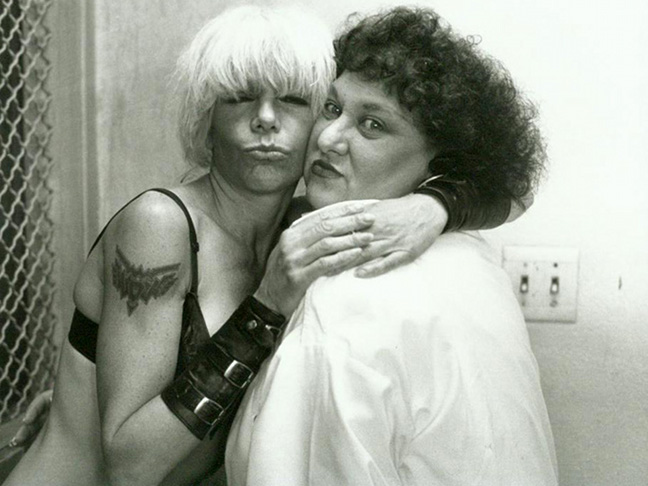
Pat Ast (1941-2001) went from being a Warhol star to a bad girl in Donna Summer’s “Bad Girls” video…and then forever into the cult-o-sphere. Possessing both comic quirks and gutter grit, Ast is known most for the cult classics Heat (1972, with Joe Dallesandro) and Reform School Girls (1986, with Wendy O. Williams).

–
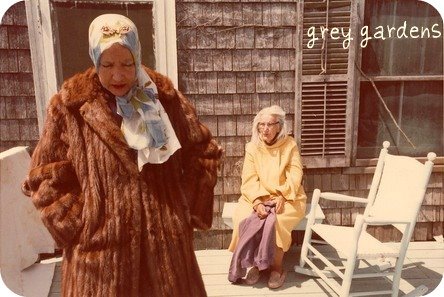
Edith Bouvier Beale a/k/a Little Edie (1917-2002) and her mother Edith Ewing Bouvier Beale a/k/a Big Edie (1895–1977) are the subject of one of the most famous documentaries of all time—the verité-defining Grey Gardens (1975) by brothers Albert Maysles and David Maysles.
–
Louise Beavers (1902-1962), actor known for supporting roles in over 150 movies as well as her starring turn in the TV show Beulah. Here she is in her most important movie role as pancake entrepreneur Delilah Johnson in the original Imitation of Life (1934):

–
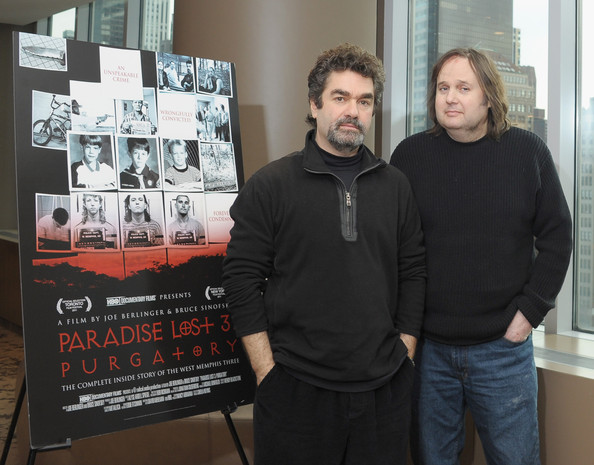
Joe Berlinger (b. 1961) & Bruce Sinofsky (1956-2015), directors of the documentary My Brother’s Keeper and the Paradise Lost series, original HBO productions that set the stage for the giant wave of true crime and social injustice documentaries to come.
–
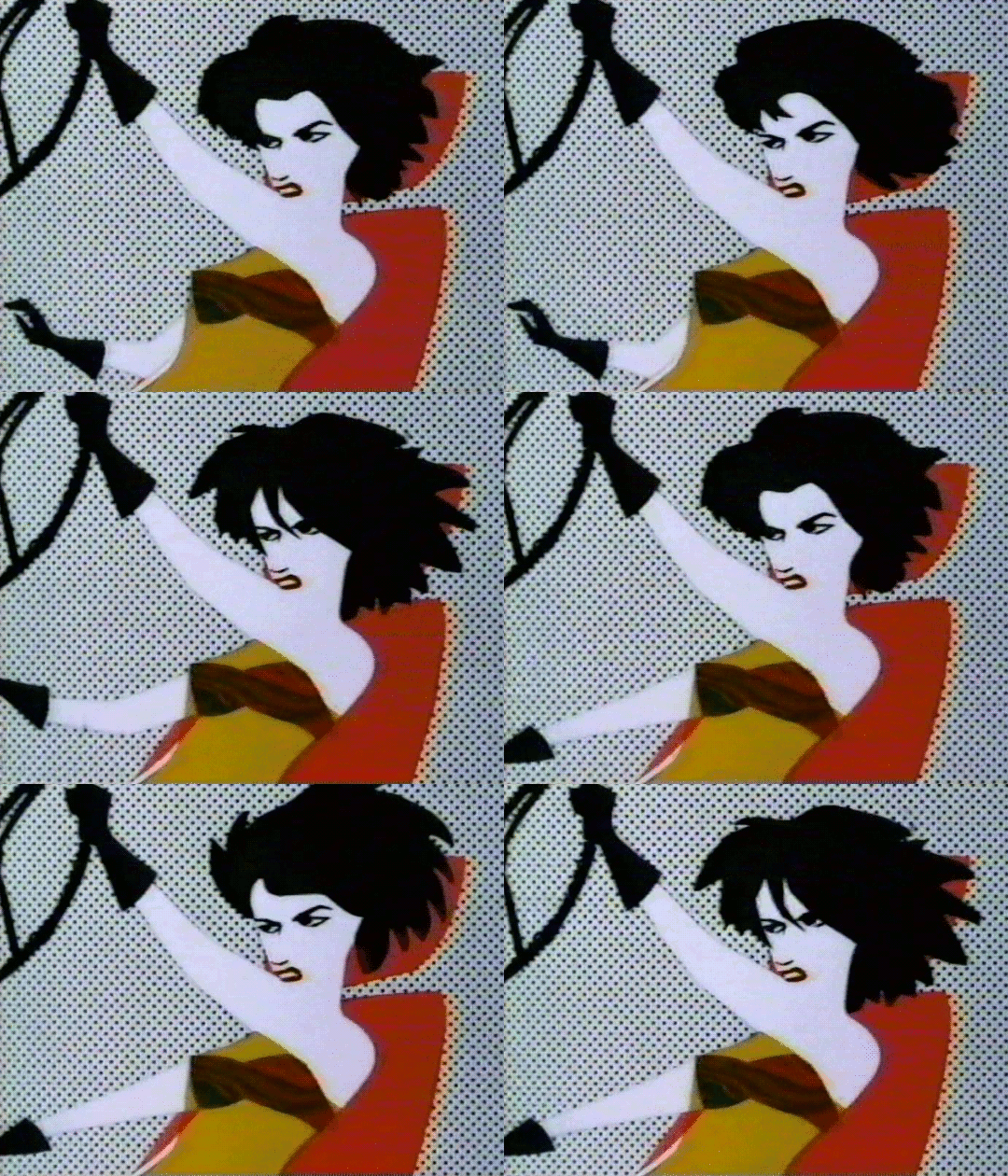
Sandra Bernhard‘s (b. 1955) big break came with Martin Scorsese’s The King of Comedy (1982), thereafter adored as a comedy monologuist, and she’s presented here because she hosted Reel Wild Cinema (a late-night talk show on USA Network, 1994-1996): 22 episodes dedicated to grindhouse and underground of the 1940s-1980s. Try YouTube. Bernhard interviewed the likes of Paul Bartel, Russ Meyer, Tura Satana, and Herschell Gordon Lewis.
–
Roberts Blossom (1924-2011) started an Obie-winning off-Broadway actor and ended a beloved old fellow writing poetry. He’s known most for playing an eccentric serial-killing neighbor in Deranged (1974) and eccentric elderly neighbor in Home Alone (1990).

–
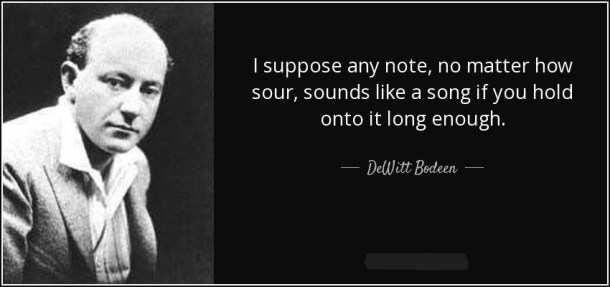
DeWitt Bodeen (1908-1988) is one of the few “Saints” known as a screenwriter alone (versus the usual writer-director found here), specifically his screenplays for the timeless Val Lewton horror classic Cat People (1942), appreciated now for its queer analogy, and the cult “sequel” Curse of the Cat People (1944) that alone secures Bodeen sainthood yet remains obscure partly because it is difficult to describe. William Mann’s book Behind the Screen best describes homosexual Bodeen’s screenplay as: “A tale of a lonely, imaginative girl who lives in a world of her own dreams and wonder, teased by her classmates and despaired by her father—as close to himself as anything Bodeen ever wrote.”
–
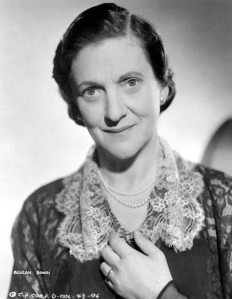
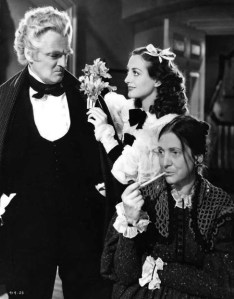
Beulah Bondi (1889-1991) graced the screen with unparalleled sincerity. That she played mother to a James Stewart character in four movies serves as her legacy: Vivacious Lady (1938), Of Human Hearts (1938), Mr. Smith Goes to Washington (1939), It’s a Wonderful Life (1946). Her most unforgettable role is surely the displaced old mother in Make Way for Tomorrow (1937). She is brilliant as very different backwoods matriarchs in the best Disney movie no one remembers So Dear to My Heart (1948) and decades later in a recurring role on The Waltons (pictured below in center) that earned her an Emmy.

–
–
Andrew Bujalski (b. 1977) is a pioneer of the “mumblecore” subgenre, an indie movement in the 2000s among his mostly generational peers (e.g. Duplass Brothers, Greta Gerwig, Lynn Shelton). He’s taken that experience forward for a reliable output of films centered on real and often real quirky characters: from Funny Ha Ha (2002) to Beeswax (2009), Support the Girls (2018) to There There (2022). See Comedy/Drama.

–
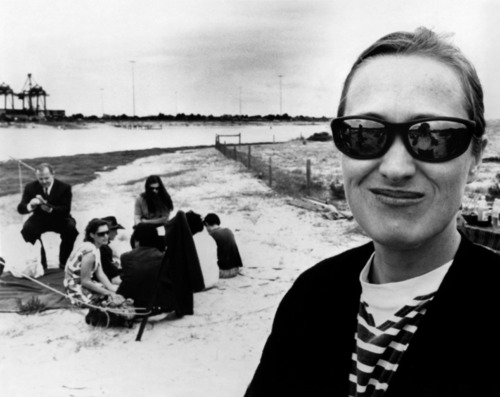
Jane Campion (b. 1954), Australian director of Two Friends (1987), Sweetie (1989), An Angel at My Table (1990), The Piano (1993), Power of the Dog (2021), and more.
–
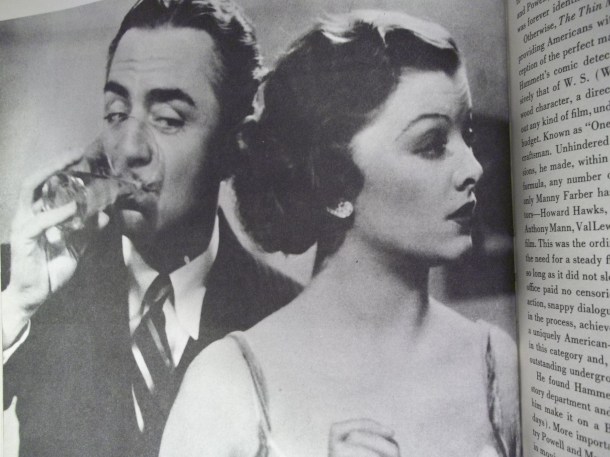
Nick and Nora Charles, famously slick characters in Dashiell Hammett’s detective novel The Thin Man (1934) and the comedy-mystery film series starring William Powell and Myrna Loy (1934-1947). Classic and classy, iconic down to their dog Asta. Quirky Cinema offers entries on other vehicles for the Powell-Loy team. Try Love Crazy (1941) and I Love You Again (1940).
–
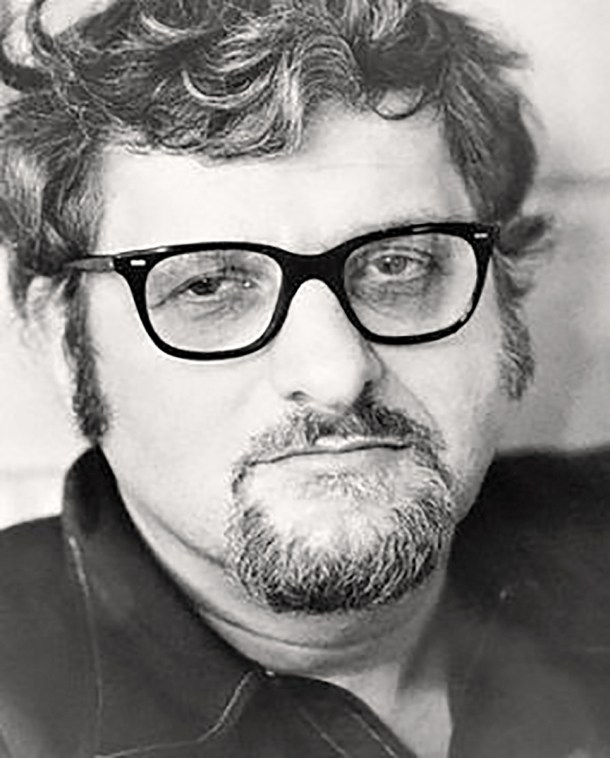
Paddy Chayefsky won three Academy Awards for writing Marty (1955), The Hospital (1971), and Network (1976). See As Young as You Feel (1951) in Classic Era (A-L).
–
Bob Clark (1939-2007), maker of beloved low-budget horror movies from the 1970s: Black Christmas, Children Shouldn’t Play with Dead Things, Deranged, Deathdream, as well as the comedy She-Man. He hit it big with his Porky’s movies in the early 1980s. Pictured with the iconic lamp from his now revered A Christmas Story (1983).

–
Sandy Dennis was a method actor extraordinaire, winning an Oscar for her anxious vulnerability in Who’s Afraid of Virginia Woolf? (1966). “Having an Academy Award lasts longer than sex,” she claimed. She is also loved for several roles included here at Quirky Cinema.

–
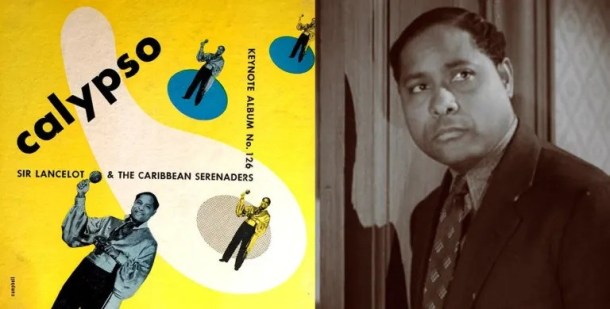
Edward, character in Val Lewton’s obscure gem Curse of the Cat People (1944) played by Sir Lancelot (1902-2001), a Trinidadian singer-actor known for the popularization of calypso in the US. James Agee wrote in his film review of Curse’s Edward: “One of the most unpretentiously sympathetic, intelligent, anti-traditional, and individual Negro characters I have ever seen on the screen.”
–
Elwood P. Dowd, character played by Jimmy Stewart in Harvey (1950). Here he is admiring a portrait of himself and his pal Harvey.

–
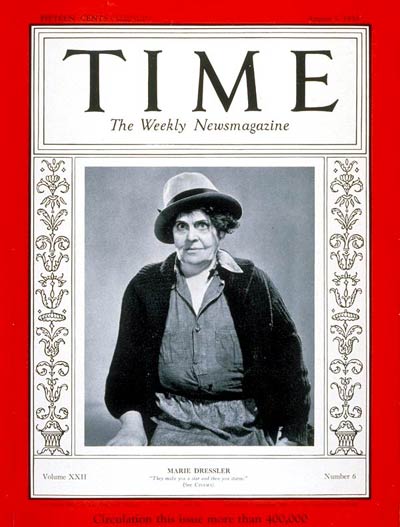
Marie Dressler (1868-1934), known for her rough’n’tumble costarring roles with Wallace Beery. Min and Bill (1930) earned her an Oscar for Best Actress and Tugboat Annie (1933) led to her Time cover. Her career began in the silent Tillie movies with Charlie Chaplin. She died at the height of her popularity, a true national treasure.
–

Duplass Brothers, Jay Duplass and Mark Duplass (b. 1973, 1976), helped establish the mumblecore movement with their simple yet unforgettable road movie to pick up a chair for their dad—titled The Puffy Chair (2005). Since then they’ve been responsible—as writers, directors, actors, and/or producers—for some of the most consistently rewarding films, documentaries, and television of the new century.
–
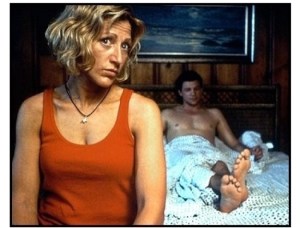
Edie Falco (b. 1963), actor well-known for several roles. On TV shet’s the title character on Nurse Jackie and Mrs. Soprano onThe Sopranos. On the indie scene she’s in Hal Hartley’s first two films, Unbelievable Truth and Trust, Eric Mendehlson’s Judy Berlin and 3 Backyards, and John Sayles’ Sunshine State.
–
Frankenstein’s Monster, character in the James Whale adaptations (1931, 1935) of Mary Shelley’s gothic novel Frankenstein. Played by Boris Karloff.

–
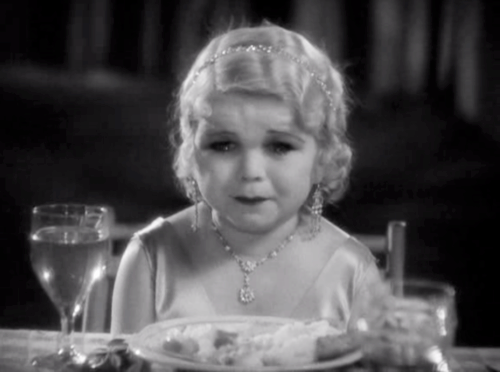
Frieda, character played by Daisy Earles in Tod Browning’s Freaks (1932).
–
Will Geer (1902-1978), actor equated with his Grandpa role on The Waltons (below right). His career actually spans back to Broadway in the late 1920s. In California in the 1930s, he joined the Communist party and fell in love with pioneering gay activist Harry Hay. During the McCarthy era, he starred in a film that was blacklisted, Salt of the Earth (1954), and was blacklisted himself. Supporting roles in later films include John Frankenheimer’s Seconds (1966) (below left) and Karen Arthur’s The Mafu Cage (1979).


–
Crispin Glover (b. 1964), actor, director. He first came to notice in River’s Edge (1986), played Warhol in Oliver Stone’s The Doors (1991), and brought Grendel itself to life in Beowulf (2007). He has since secured his cult status with leads in films like Bartelby (2001) and Willard (2003). He’s also directed experimental films like What Is It? (2005) and It Is Fine! Everything Is Fine (2007).

–
Ruth Gordon (1896-1985), actor known for Harold and Maude (1971) and her Oscar-winning role as Minnie Castevet in Rosemary’s Baby (1968). She and her husband Garson Kanin wrote the famous Tracy-Hepburn vehicle Adam’s Rib (1941). Here she is early in her career, in the 1920s, and in 1971 with her Harold and Maude costar Bud Cort.

–
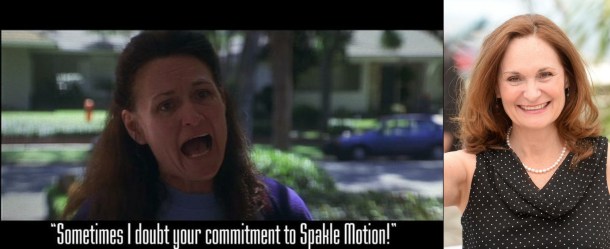
Beth Grant (b. 1949) is one of the most scene-stealing-est “bit” actors around, and around since the late 1980s—her credits totaling over 240 as of 2025. From Speed (1994) to Sordid Lives (2000) and Blues for Willadean (2012), Little Miss Sunshine (2006) to Jackie (2016). Her line in Donnie Darko (2001) rings as clearly as the film’s darkest tone: “Sometimes I doubt your commitment to Sparkle Motion!”
–
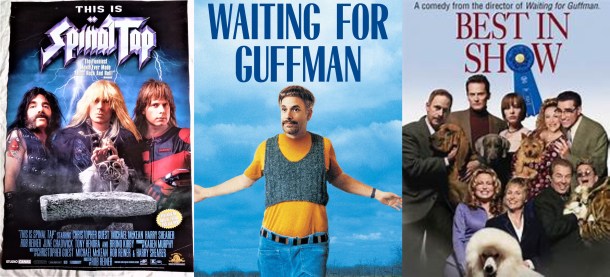
Christopher Guest (b. 1948), starring pioneer of the mockumentary (even if it is a term he resents). See Comedy/Drama (A-L) for Best in Show and (M-Z) for A Mighty Wind and Waiting for Guffman. It all started, of course, with Rob Reiner’s Spinal Tap. Guest, by the way, is married to Jamie Lee Curtis.
–
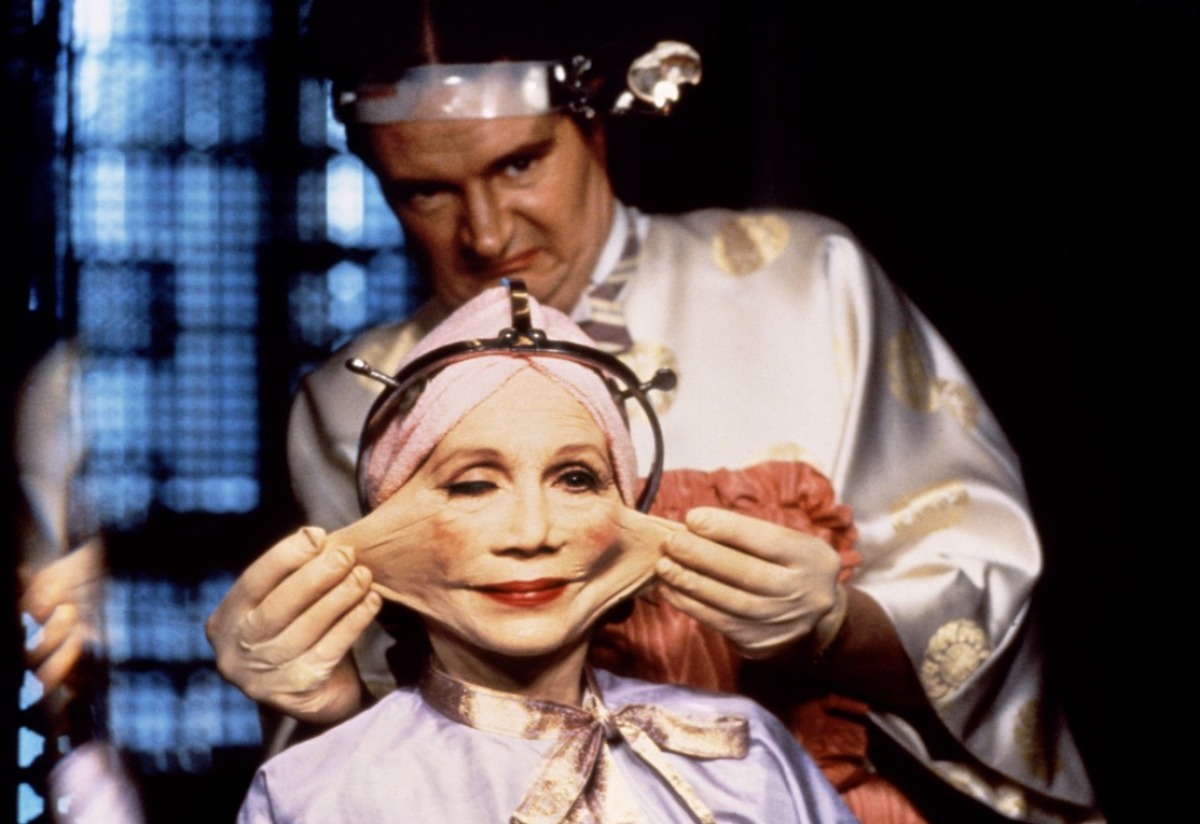
Katherine Helmond (1929-2019), one of those scene-stealing supporting players I love most, and one of our Saints. Her career spanned Hitchcock, mainstream TV, and avant-garde film. Below pictured in her iconic face-stretching scene in Terry Gilliam’s outrageously dystopian Brazil (1985). Read here about her under Shadey (1985).
–
Philip Seymour Hoffman (1967-2014), a fearless character actor with impressive range, beloved for his roles in Boogie Nights (1997), Happiness (1998), Almost Famous (2000), Love Liza (2002), Before the Devil Knows You’re Dead (2007), and mainstream fare too like Twister (1996). He won a Best Actor Oscar for his lead in Capote (2005), received a nomination nod for Doubt (2009), and directed himself in Jack Goes Boating (2010). This portrait is by Herb Ritts.

–
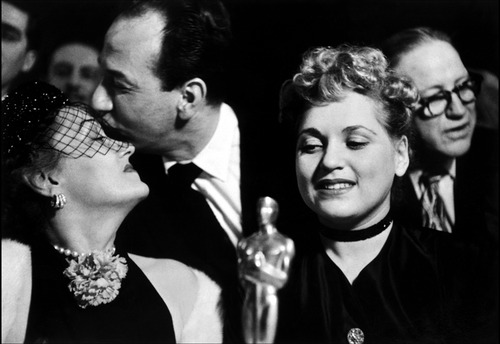
Judy Holliday (1921-1965), actor known for Adam’s Rib, Bells Are Ringing, It Should Happen to You!, and Solid Gold Cadillac. Here she is with her Oscar for Born Yesterday (1950) alongside Gloria Swanson and Jose Ferrer.

–
John Hurt (b. 1940), British actor who’s played a wide variety of roles, from Quentin Crisp in The Naked Civil Servant (1975) to Caligula in I Claudius (1976) to the first victim in Alien (1979) (below left) to John Merrick in The Elephant Man (1980) to Winston in 1984 (1984) (below right). More recently he’s played Ollivander in three Harry Potter movies.


–
Imogene, a heroic underdog character in Peter Bogdanovich’s Paper Moon (1973) and cohort to Tatum O’Neal’s character Addie. She’s played by PJ Johnson whose only other film role is the Dairy Queen waitress in Bogdanovich’s Texasville in 1990.

–
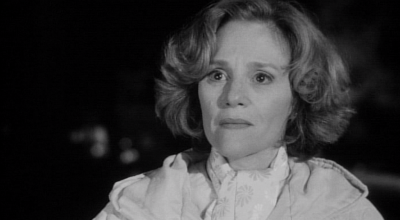
Madeline Kahn (1942-1999), actor beloved for her supporting roles in Blazing Saddles (1974), Clue (1985), High Anxiety (1977), Paper Moon (1973), and Young Frankenstein (1974). Her first role was in Bogdanovich’s screwball What’s Up, Doc? (1972) and her final role, a perfectly complex role full of surprise, was in Judy Berlin (1999) (both pictured below). To know her onscreen is to love her.

–
Jack Nicholson described Carol Kane (b. 1952) as a blend of Bette Davis and Peter Lorre. She is known for supporting roles in Woody Allen’s Annie Hall, Hal Ashby’s The Last Detail, and the classic thriller When a Stranger Calls as well as stunning leads in The Mafu Cage, Office Killer, and Wedding in White. She was nominated for an Oscar for her lead in Hester Street in 1975 and won an Emmy as Simka on the TV series Taxi in the early 1980s (pictured with costar Andy Kaufman). Most recently see her in Between the Temples (2024).


–
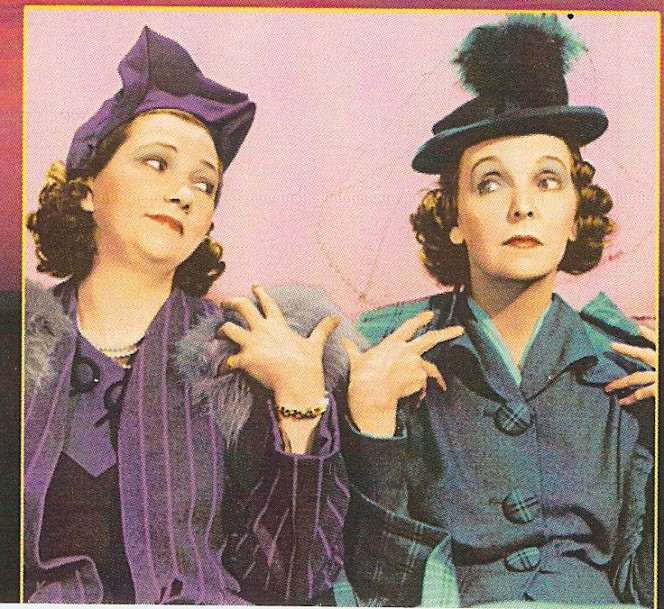
Two actors who can be found throughout the Classic Era sections are Patsy Kelly (Movie Struck a/k/a Pick a Star, My Son the Hero, Nobody’s Baby, Pigskin Parade, Road Show, Topper Returns) and Zasu Pitts (Dames, Life with Father, Mrs. Wiggs of the Cabbage Patch, So’s Your Aunt Emma! a/k/a Meet the Mob). Both stars worked in comic duo-ship with Hal Roach star Thelma Todd, making well over two dozen shorts.
–
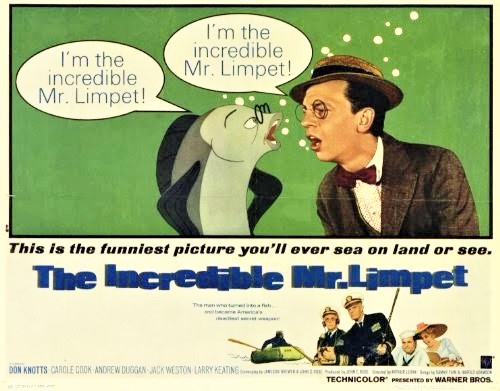
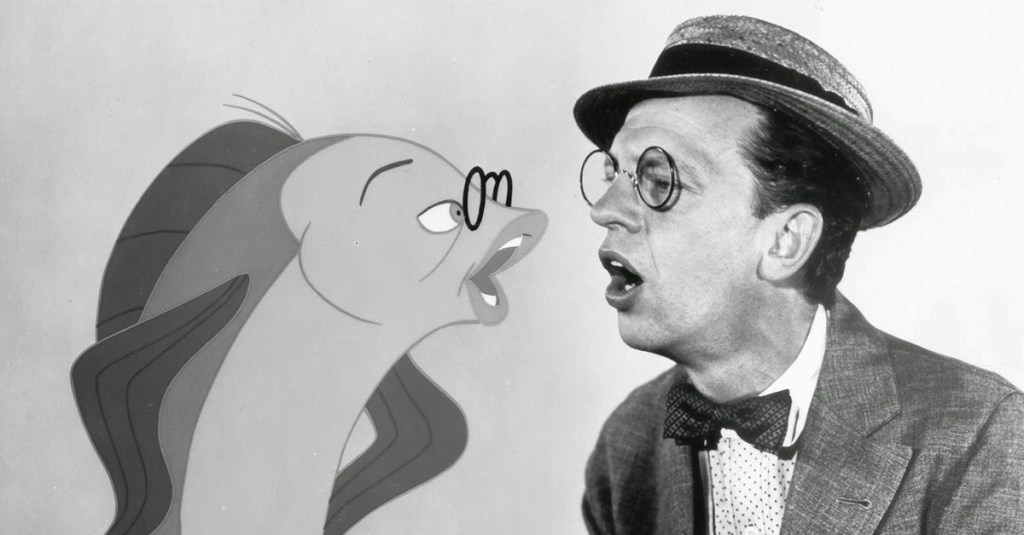
Don Knotts (1924-2006)—iconic as Barney Fife on TV’s The Andy Griffith Show, a deputy too eager and too stupid to be a hero—became a major film star playing a series of reluctant heroes like The Incredible Mr. Limpett (1964), The Shakiest Gun in the West (1968), and The Love God? (1969).
–
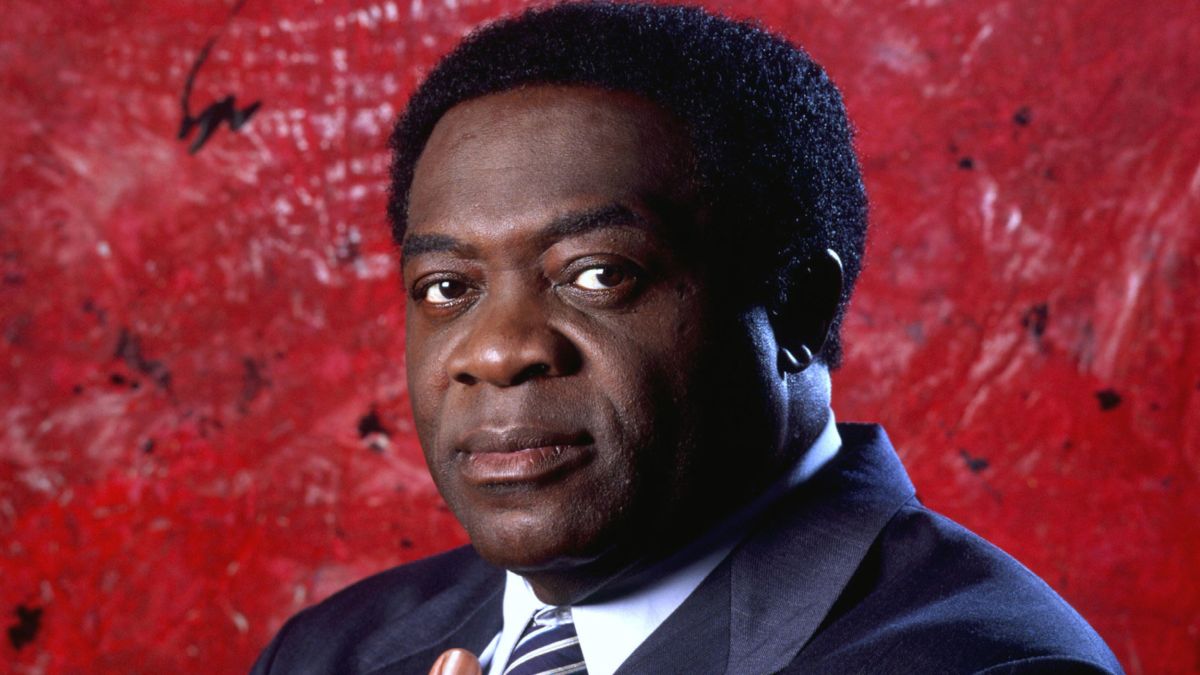
Yaphet Kotto (1939-2021), a powerhouse actor known for gritty-realist roles in Bone (1972), Live and Let Die (1973), Blue Collar (1978), Alien (1979), Running Man (1987), Midnight Run (1988), and the acclaimed TV series Homicide (1993-2000).
–
George Kuchar (1942-2011), actor and director. Starred in underground classics directed by his brother Mike Kuchar (Sins of the Fleshapoids) and by his protege Curt McDowell (Thundercrack!). Directed hundreds of his own low-budget movies like Hold Me While I’m Naked (1966) and Secrets of the Shadow World (1999). He taught filmmaking to countless San Francisco Art Institute students between 1971 and 2011.

–
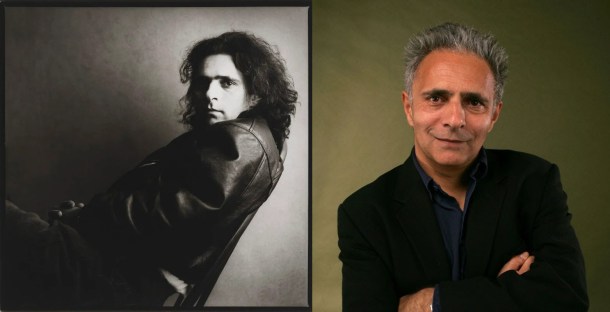
There should be more screenwriters among the Saints of the Quirky, like Hanif Kureishi (b. 1954) who blazed a trail in British Cinema writing two Stephen Frears classics, My Beautiful Laundrette (1985) and Sammy and Rosie Get Laid (1987), then London Kills Me (1991, also directed by Kureishi). Later films include Venus starring Peter O’Toole (2006), earning O’Toole’s eighth Oscar nod, and the Jim Broadbent vehicle Le Week-End (2013).
–
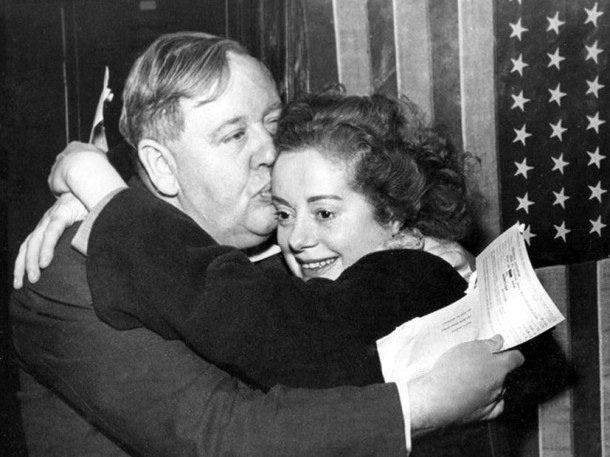
British actors Elsa Lanchester and Charles Laughton were married in 1929. Laughton won a Best Actor Oscar playing the title role in The Private Life of Henry VII in 1933 and two years later three of his films were nominated for Oscars including Ruggles of Red Gap. My favorite Laughton movies are Ruggles, James Whales’ The Old Dark House (1932) and David Lean’s Hobson’s Choice (1954). Lanchester is known most for playing the Bride in Bride of Frankenstein (1932), wife #4 in Henry VIII (1933), Aunt Queenie in Bell, Book and Candle (1958), Katie Nanna in Mary Poppins (1964), the domineering mom in Willard (1971), and Jessica Marbles in Murder by Death (1976). Here they are after receiving US citizenship in 1950.
–
Mike Leigh (b. 1943 ), British director of many excellent films like Abigail’s Party (1977), Another Year (1977), Grown-Ups (1977), Hard Truths (2024), High Hopes (1988), Life Is Sweet (1990), Secrets & Lies (1996), and Topsy Turvy (1999). He has been nominated for seven Oscars, usually for screenplay.

–
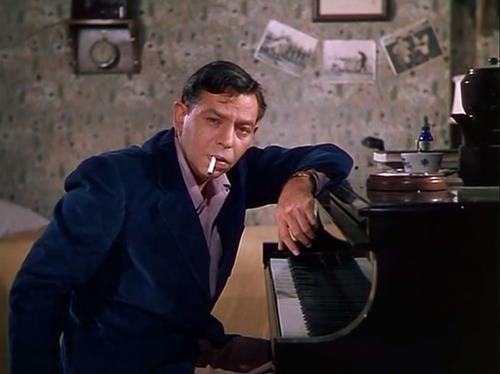
“There’s a fine line between genius and insanity,” said Oscar Levant. “I have erased this line.” A concert pianist and film composer turned celebrity personality at large, Levant is known for his sardonic wit and pill-popping. He may be most immediately recognized as Gene Kelly’s grumpy friend in An American in Paris (1951), accompanying Kelly for “Tra La La.” On TV he was a favorite guest of Jack Parr and had his own show in the late 1950s—cancelled after he quipped about Marilyn Monroe converting to Judaism: “Now that Marilyn Monroe is kosher, Arthur Miller can eat her.”
–
Timothy “Speed” Levitch (b. 1970), former NYC tour guide and subject of Bennett Miller’s unforgettable documentary The Cruise (1992). Check out Levitch’s series on Hulu called Up To Speed.

–
Natasha Lyonne (b. 1979) is a friendly favorite for many of my friends who like their friends a bit twisted, definitely reflected by the various roles she’s taken on. Beginning with Slums of Beverly Hills (1998) and But I’m a Cheerleader (1999), she reached her widest audience as Nicky on Orange Is the New Black (2013-2019). Her commitment to indies endures, thankfully. Try The Immaculate Conception of Little Dizzle (2009), Antibirth (2016), and His Three Daughters (2023).

–
Martin, the sympathetic vampire protagonist in George Romero’s tragic masterpiece Martin (1976), played by John Amplas.

–
Edith Massey (1918-1984), beloved player in the early films of John Waters: Desperate Living, Female Trouble, Pink Flamingos, and Polyester. A short documentary was made about her in 1975 titled Love Letter to Edie.

–
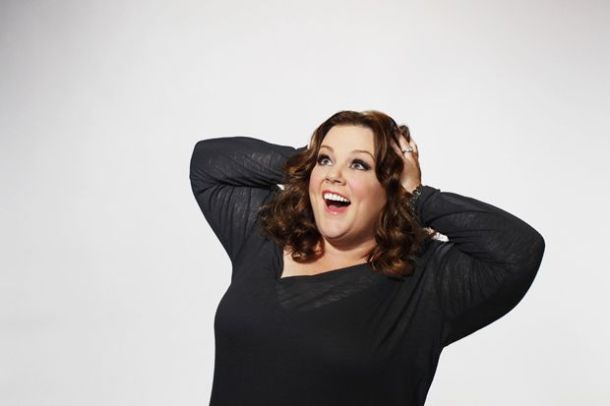
One and only Melissa McCarthy, from Go! (1999) to Tammy (2014) and Can You Ever Forgive Me? (2018), she’s played a brash array of quirky characters.
–
Liza Minnelli, Liza with a Z. Classic Quirky Cinema.

–
Singer, dancer, comic actor, Portuguese-born Brazilian icon and Hollywood star, Carmen Miranda (1909-1955) died young. If she’s quirky, she’s a problematic quirky in her fruit-piled hat. Read more about her in the entry on Brazilian director Helena Solberg’s Carmen Miranda: Bananas Is My Business (1995) (Documentary (A-L)).

–
Cameron Mitchell (1994) is a more than a familiar face in westerns, b-movies, horror cheapies, and exploitation flicks, he is practically a “psychotronic” cornerstone.

–
Arguably THE documentarian of the last fifty years. Errol Morris (b. 1948) began his career with documentaries about a pet cemetery in Gates of Heaven (1978) and eccentric old locals in Vernon, Florida (1981), then turned deadly serious for history lessons like Standard Operating Procedure (2008), Oscar-winning Fog of War (2003), and most recently Separated (2024), while not forsaking quirky figures in documentaries like Tabloid (2010) and The B-Side: Elsa Dorfman’s Portrait Photography (2016).

–
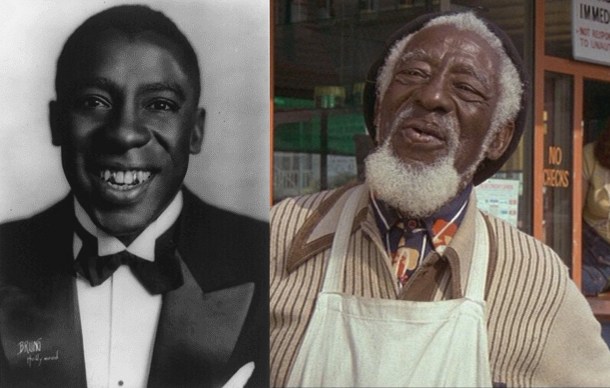
Clarence Muse (1889-1979), One of 75+ SAINTS OF THE QUIRKY = Clarence Muse (1889-1979), actor, filmmaker, emerged from the Harlem Renaissance. He starred in the first all-black film Hearts of Dixie (1929) and later co-wrote with Langston Hughes and starred in Way Down South (1939). His final film appearances were in Car Wash (below right), Passing Through, and The Black Stallion, all in the late 1970s.
–
Prolific supporting actor Lupe Ontiveros (1942-2012) debuted as Whore #2 in Gene Wilder’s The World’s Greatest Lover (1977), soon the Old Lady in Cheech & Chong’s Next Movie (1980). Nostalgia freaks may know her as English-challenged Rosalita in The Goonies (1985) and indie fans may know her as vengeful Consuelo in Todd Solondz’s Storytelling (2001)—two of 150 times she played a maid-type on stage or screen. Look for her key roles as Selena’s murderer (1997) or in Chuck & Buck (2001) and Real Women Have Curves (2002).

–
Geraldine Page (1924-1987), actor on par with greats like Kim Stanley, Sandy Dennis, and Julie Harris, known for The Beguiled, Interiors, Summer and Smoke, Sweet Bird of Youth, and Whatever Happened to Aunt Alice? Disney fans will recognize her as the voice of Madame Medusa in The Rescuers (1977) (below right). She finally won a much-deserved Oscar for Trip to Bountiful (1985) (below left). Check her out as Cousin Sook in Truman Capote’s A Christmas Memory (1966).


–
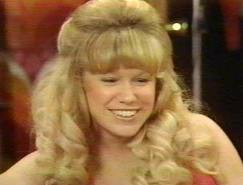
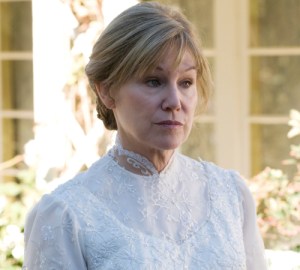
Mary Kay Place (b. 1947), one of our most reliable character actors, known to most as Loretta Haggers on Mary Hartman, Mary Hartman (below left) or Adaleen Grant on Big Love (below right). She’s stolen scenes in many a film too, including Being John Malkovich, Citizen Ruth, Lonesome Jim, Manny & Lo, Pecker, and Private Benjamin. Early on she wrote for M*A*S*H and released two very smart country albums.
–
Aubrey Plaza (b. 1984), much loved for her deadpan delivery on the NBC sitcom Parks & Recreation (2009–2015), Plaza is now impressing audiences and critics in a number of movies like The Little Hours (directed by her husband Jeff Baena, 2017), An Evening with Beverly Luff Linn (2018), Child’s Play (2019), and Black Bear (2020).

–
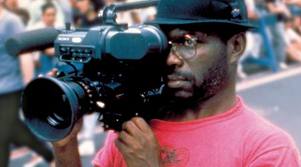
Marlon Riggs (1957-1994), director of important documentaries about African-American and LGBT issues: Black Is Black Ain’t (1994), Color Adjustment (1992), Ethnic Notions (1986), and Tongues Untied (1989).
–
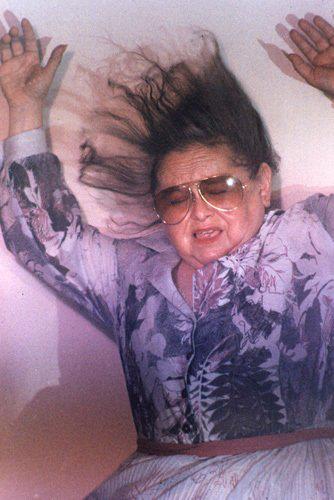
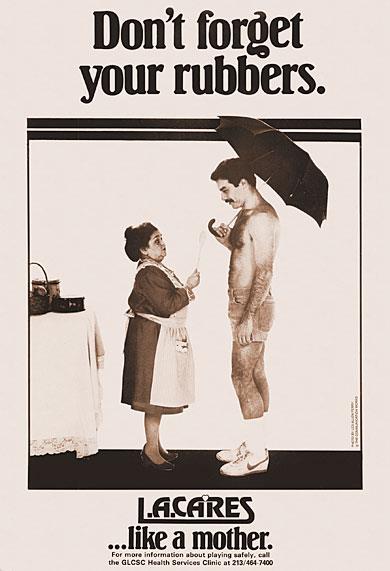
Zelda Rubinstein (1933-2010), actor known most for her roles as Tangina in the Poltergiest movies (pictured below left) and Ginny on Picket Fences. Her best role is the mom in Bigas Luna’s Anguish (1987). She became an activist early on in the AIDS era, as shown in this public service message:
–
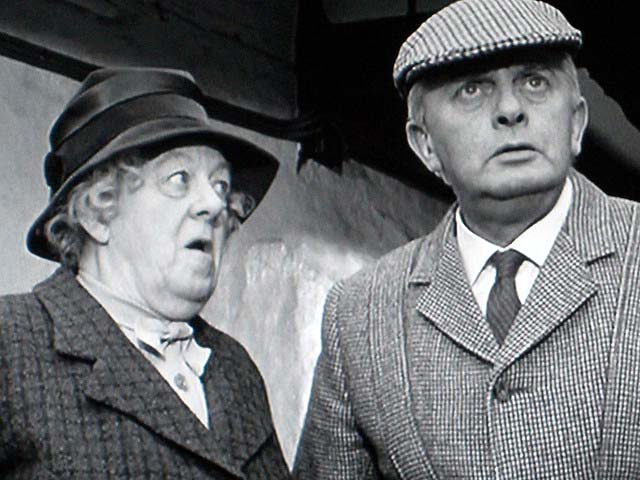
Margaret Rutherford (1892–1972) and Stringer Davis (1899–1973). Rutherford played quirky older characters, most famously the silver screen’s first Jane Marple. Davis, her husband, often played minor parts in his wife’s films. An endearing sidekick role was written into the Marple comedies just for Davis.
–
Marianne Sägebrecht (b. 1945), German-born actor known for her winning roles in the films of Percy Adlon: Zuckerbaby (1985), Bagdad Café (1987) (pictured with costar Jack Palance), and Rosalie Goes Shopping (1989). She’s often referred to as “mother of Munich’s sub-culture.”


–
Diana Sands (1934-1973), actor admired for her roles in the film version of Lorraine Hansberry’s A Raisin in the Sun, Hal Ashby’s The Landlord, Maya Angelou’s Georgia Georgia, and the feminist blaxpolitation classic Willie Dynamite. A powerhouse star who died young.

–
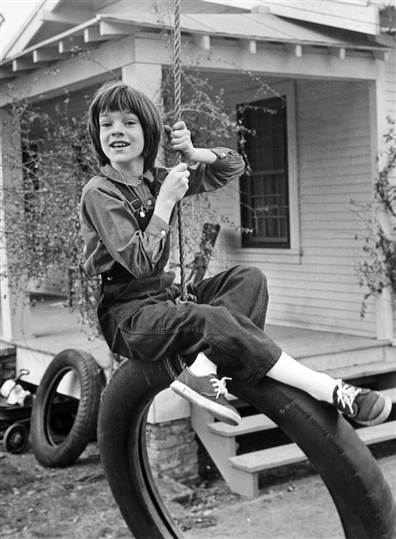
Scout, character played by Mary Badham in the 1962 adaptation of Harper Lee’s thinly veiled memoir To Kill a Mockingbird. Fans should watch the docu Hey, Boo: Harper Lee & To Kill a Mockingbird (2010).
–
Roshan Seth (b. 1942), New Delhi native and long-renowned actor in British and US films, he is known for enduring classics Ghandi (1982), A Passage to India (1984), My Beautiful Laundrette (1985), Nisha Ganatra’s Mississippi Masala (1991) and Cosmopolitan (2003, aside Quirky’s saint Carol Kane), and the 2005 thriller Frozen.

–
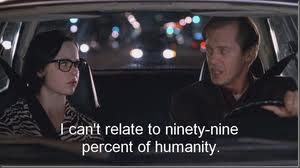
Seymour, the 78-collecting character who’s “such a clueless dork he’s almost cool” in Terry Zwigoff’s adaptation of Daniel Clowe’s comic Ghost World (2000). Played by Steve Buscemi, equally quirky as an actor (Parting Glances, Fargo, The Sopranos) and a director (Trees Lounge, Lonesome Jim).

–
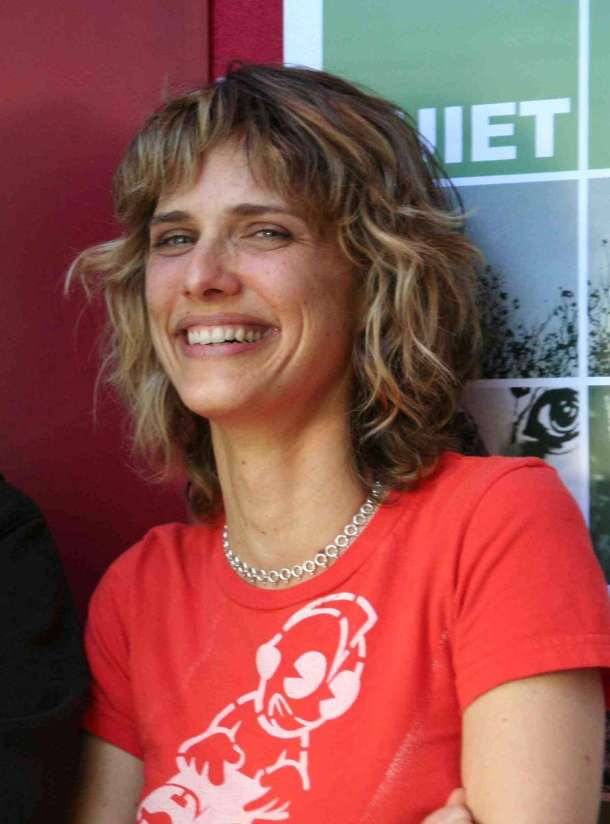
Lynn Shelton (1965–2020), a tragic loss for Quirky Cinema, Lynn Shelton, as one of the mumblecore directors in the 2000s and part of the post-mumblecore set in the 2010s, gave the word My Effortless Brilliance (2008) and Humpday (2009) as well as Outside In (2017) and her finale Sword of Trust (2019).
–
Octavia Spencer (b. 1970) is one of our busiest actors not getting enough major roles worth her talent, one of our most revered yet accessible actors who’s worked her way up from memorable bit parts to significant roles in character-driven films like The Help (2011), Blues for Willadean (2012), Hidden Figures (2016), Ma (2019), and Self Made (2020).

–
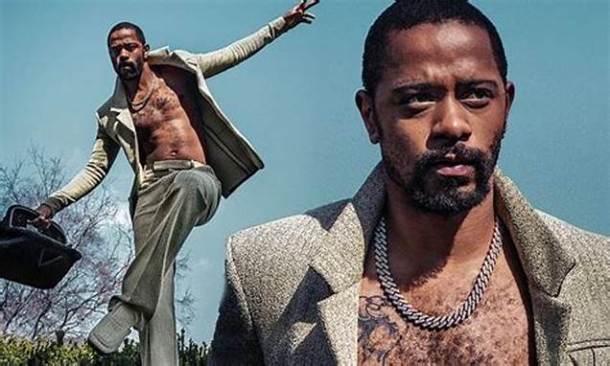
LaKeith Stanfield (b. 1991): An actor who hits his aim as an actor with equal parts control and daring: you may know him from Get Out (2017), Sorry to Bother You (2018), and Judas and the Black Messiah (2021).
–
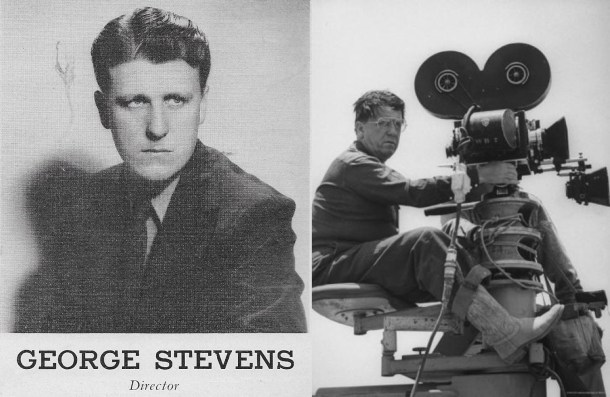
George Stevens (1904-1975) was not an auteur permeating his filmography with a signature style or personal fixations. His career as a versatile craftsperson and “actor’s director” let shine a combined cast so distinctive, he must be honored here: The Laurel-Hardy Murder Case (1930), Vivacious Lady (1938), Alice Adams (1935), Penny Serenade (1941), Woman of the Year (1942), I Remember Mama (1948), A Place in the Sun (1951), Giant (1956), The Diary of Anne Frank (1959).
–
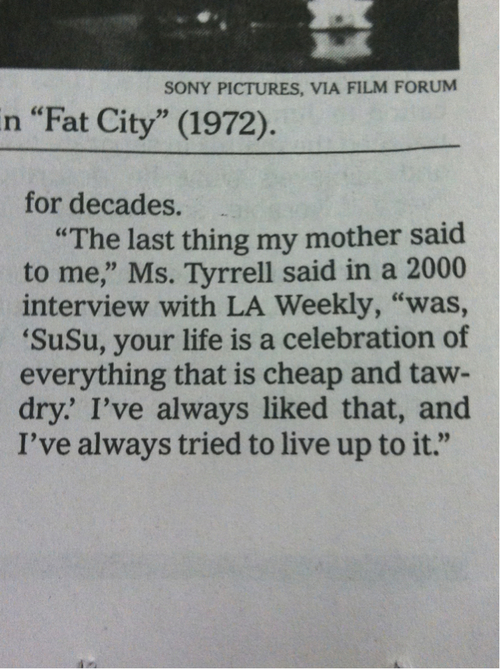
Susan Tyrrell (1945-2012), actor beloved for her cranky nonconformity, known for Angel and its sequel, Andy Wahol’s Bad (1977), John Waters’ Cry Baby (1990), the incomparable musical Forbidden Zone (1982), the Zellner Brothers’ Kid-Thing (2012), the original The Killer Inside Me (1976), and Night Warning (1972). She was nominated for an Oscar for her unforgettable, gut-wrenching role in John Huston’s Fat City (1972).

–
Eleanor Vance, character played by Julie Harris in Robert Wise’s The Haunting (1963), a film based on the novel by Shirley Jackson whom Salon.com deems “The Patron Saint of Oddballs.”

–
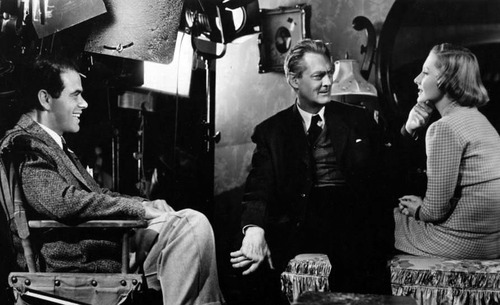
Grandpa Vanderhof, character played by Lionel Barrymore in Frank Capra’s You Can’t Take It With You (1938). Here is Barrymore on the set with Capra (left) and costar Jean Arthur (right).
–
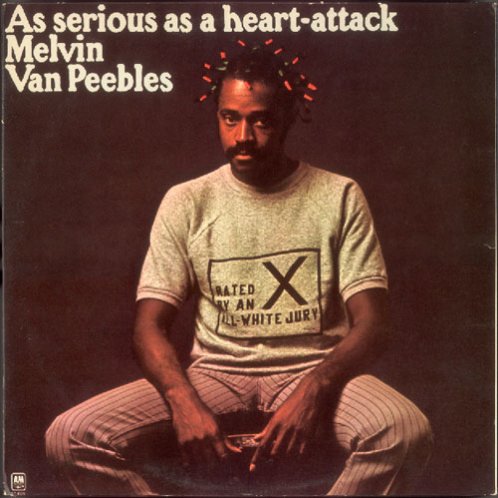
Melvin Van Peebles (b. 1932), renegade director of the original blaxploitation classic Sweet Sweetback’s Baadasssss Song (1971) as well as Story of a Three-Day Pass (1968), Watermelon Man (1970), and Don’t Play Us Cheap (1973). Check out the 2005 docu about him titled How to Eat Your Watermelon in White Company (and Enjoy It), or Isaac Julien’s docu Baadasssss Cinema (2002), or the really solid biopic directed by and starring his son Mario Van Peebles Baadasssss! (2003), all included in Quirky.
–
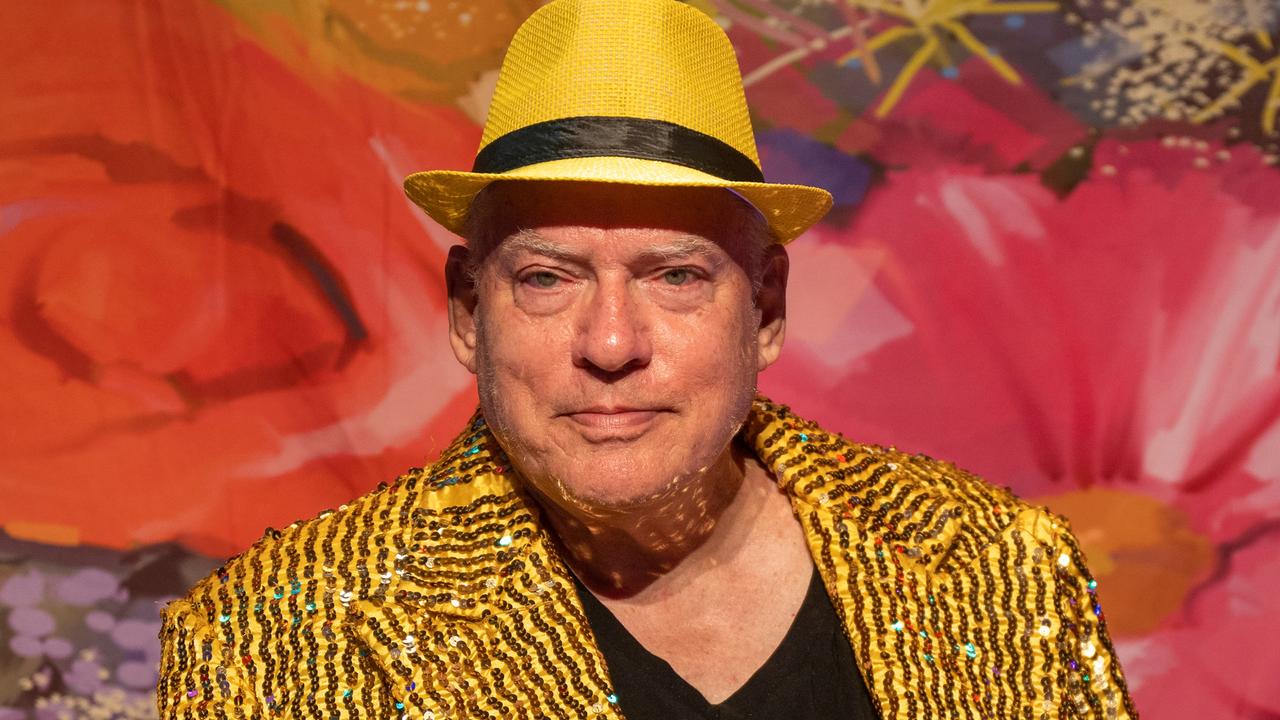
Rosa von Praunheim (1942-2025): From the New German Cinema of the 1970s to the New Queer Cinema of the 1990s and beyond, he gave us radically brave films like pre-Stonewall It Is Not the Homosexual Who Is Perverse, But the Society in Which He Lives (1971) and The Einstein of Sex (1999) about the life of Jewish sexologist Dr. Magnus Hirschfeld as well as celebratory fare like Can I Be Your Bratwurst, Please? (1999) with Jeff Stryker and Vaginal Davis and documentaries like Transexual Menace (1996). Read more at Tally Brown, New York (1979).
–
Warhol Superstars: Jackie Curtis, Sylvia Miles, Holly Woodlawn, Mary Woronov, Viva, Candy Darling

–
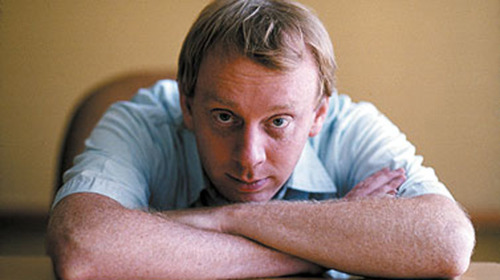
Mike White (b. 1970), actor, writer and director responsible for the gems Chuck and Buck (2000), The Good Girl (2002), Year of the Dog (2007), and Beatriz at Dinner (2017), as well as Enlightened (2011-2013) and the hyper-popular series White Lotus (2021-2025).
–
Dawn Wiener is twelve, a geeky put-upon little ego trapped in middle-class New Jersey in Todd Solondz’s classic indie Welcome to the Dollhouse (1995), played inimitably by Heather Matarazzo. Note: Palindromes (2004) is not Solondz’s sequel to Dollhouse yet it begins at Dawn Wiener’s funeral.

–
Victor Wong (b. 1924) is a familiar face for a short credits list, hitting the ground running in Wayne Wang films like Dim Sum: A Little Bit of Heart (1985) and then cast by big-name directors like Michael Cimino, John Carpenter, Bernado Bertolucci—is also good fun in the horror-comedy Tremors (1990).

–
Ed Wood a/k/a Edward D. Wood Jr. (1924-1978), director of the most beloved z-grade movies of all time, Glen or Glenda (1953) (see Classic Era (A-L)) and Plan 9 from Outer Space (1959), and subject of Tim Burton’s homage Ed Wood (1994) starring Johnny Depp (see Comedy/Drama (A-L)).

–
Mary Woronov (b. 1943), actor and cult icon who’s starred in Andy Warhol’s Chelsea Girls (1966), Lloyd Kaufman’s Sugar Cookies (1973), Roger Corman’s Rock’n’Roll High School (1979, below left), Paul Bartel’s Death Race 2000 (1975, below right) and Eating Raoul (1982), Greg Araki’s The Living End (1992), and more. Also check her out in Andy Warhol’s Factory People: Inside the Sixties Silver Factory (2008) and look for a forthcoming docu on her titled Confessions of a Cult Queen.

–
[83]
 Quirky Cinema